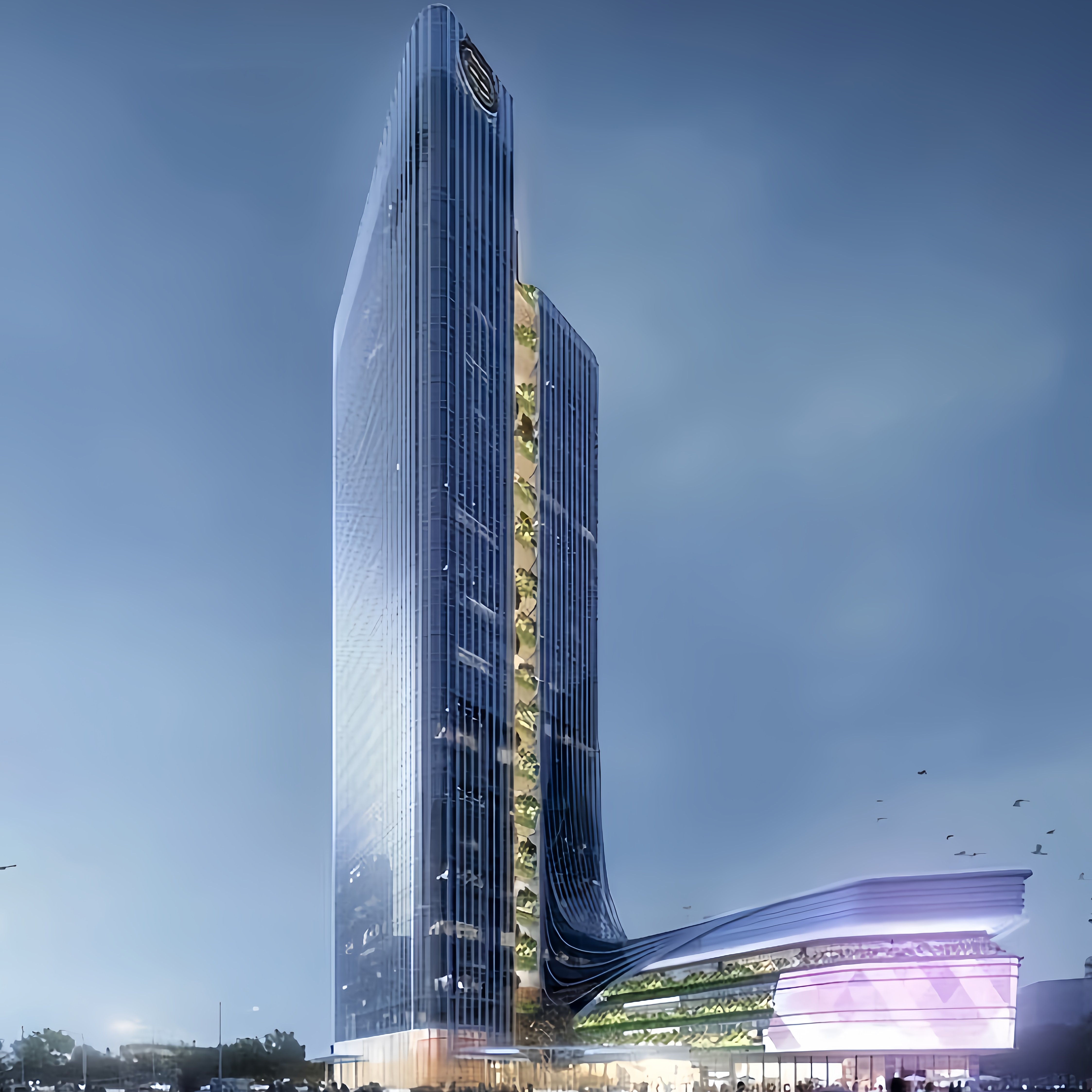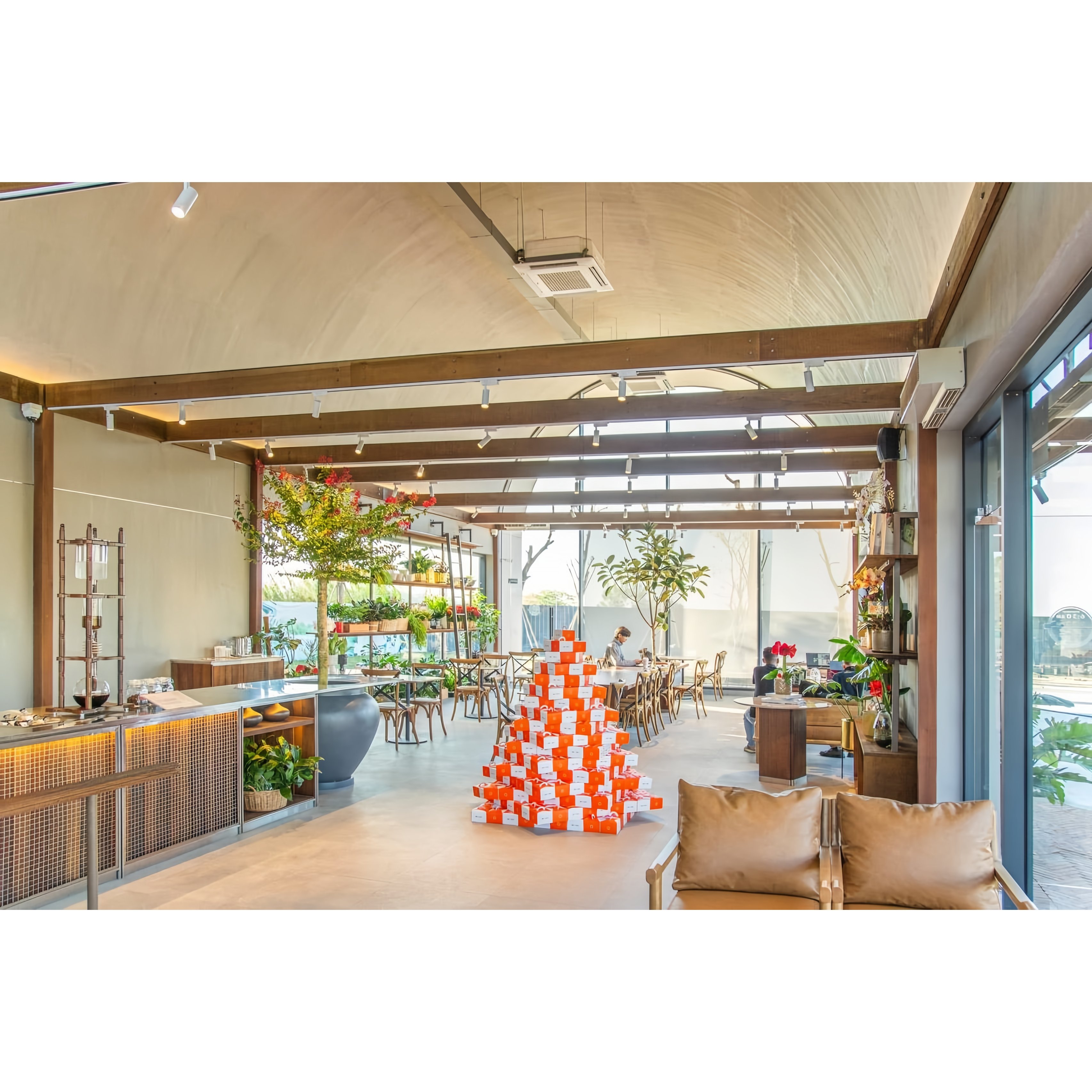
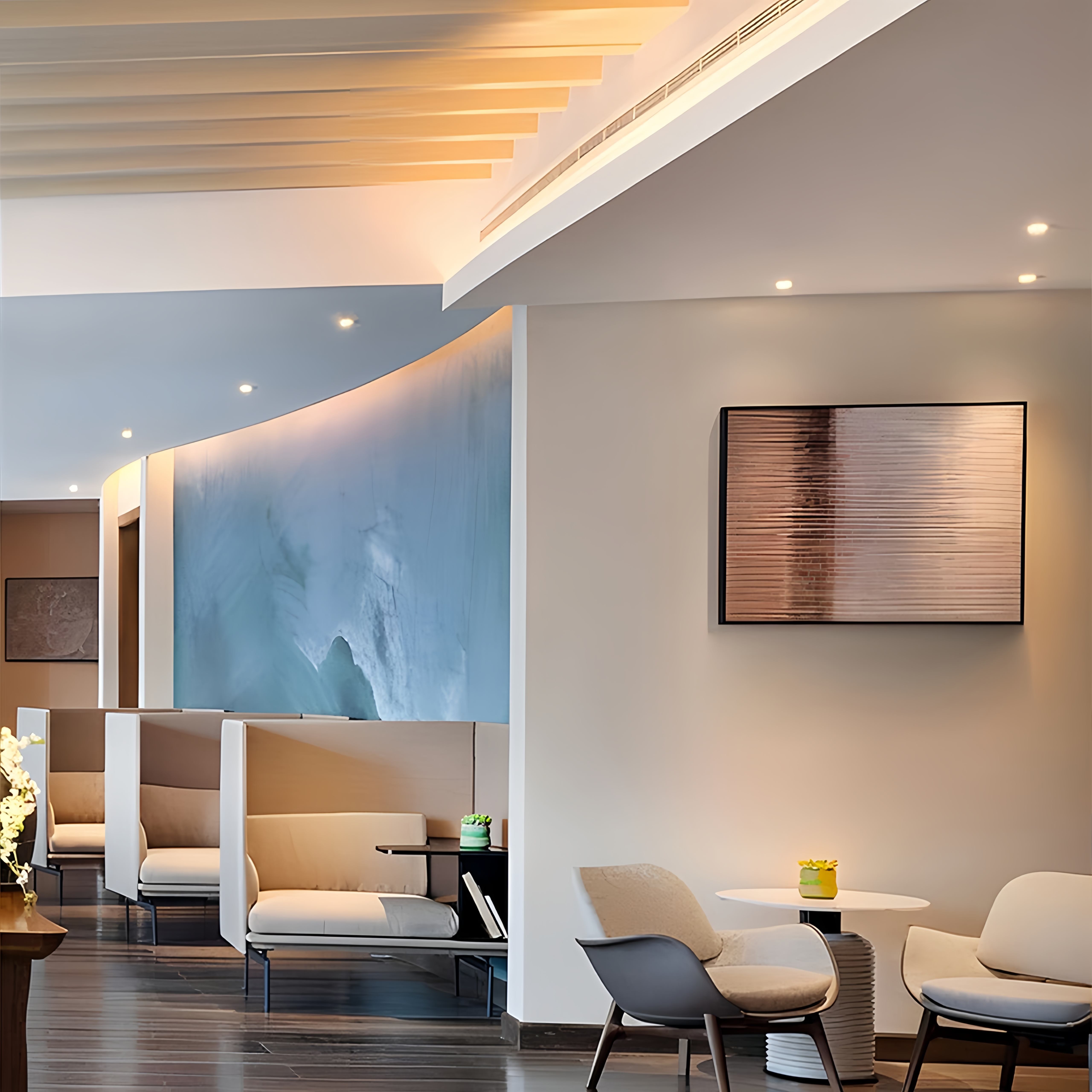
Project Name: JW Marriott Hotel Riyadh
Location: Riyadh, Saudi Arabia
Project Type: Luxury Hospitality
Lighting Applications: Guest Lounge Lighting, Hotel Room Lighting, Recessed LED Downlights and Concealed Linear Lighting
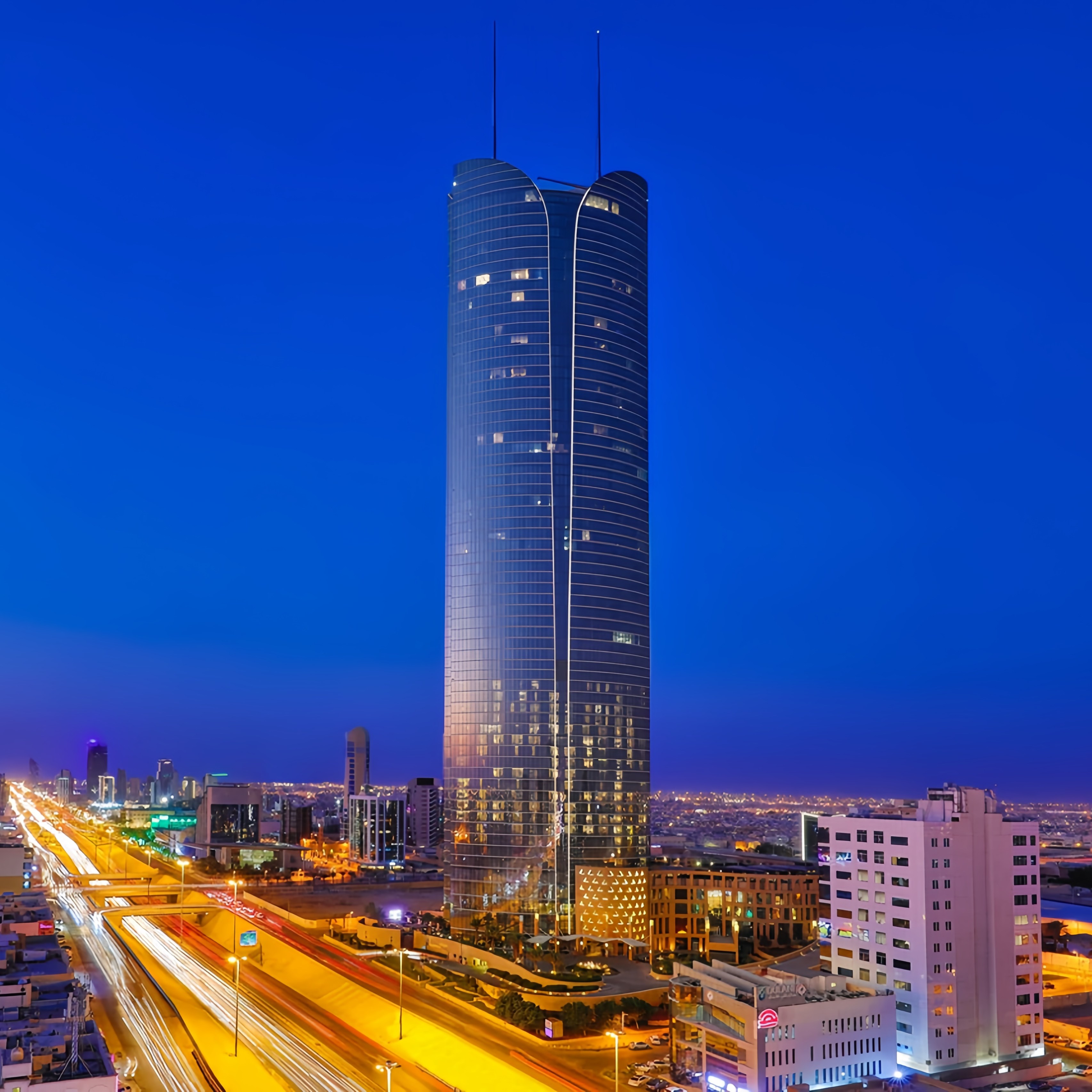
JW Marriott Hotel Riyadh is a luxury hospitality destination in Saudi Arabia's capital. The hotel officially opened in November 2022 and features 349 guest rooms and suites, alongside dining, wellness and meeting facilities.
In luxury hospitality interiors, lighting plays an important role in shaping the guest experience. It supports everyday activities while highlighting architectural details, interior finishes and carefully selected furnishings.
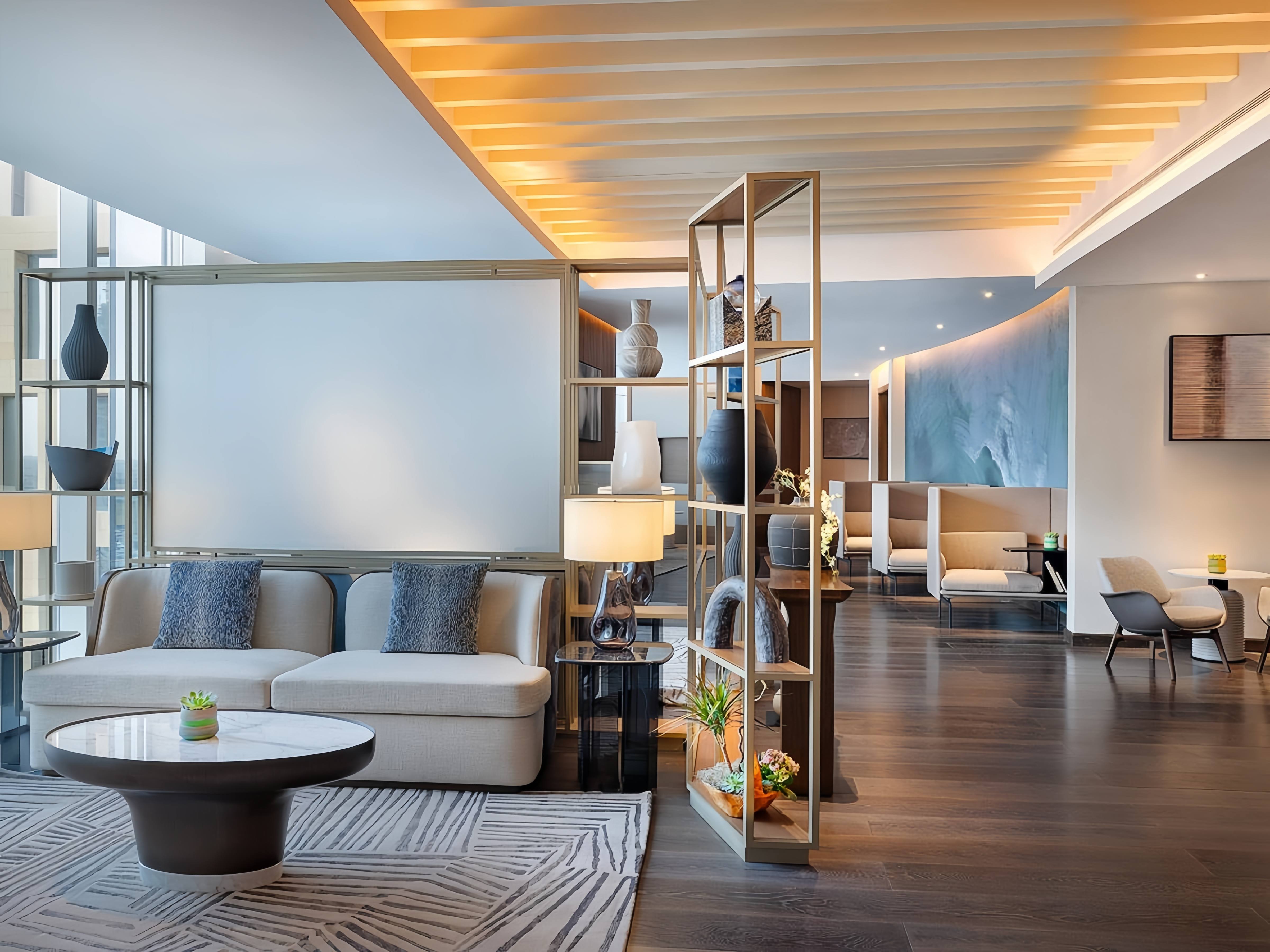
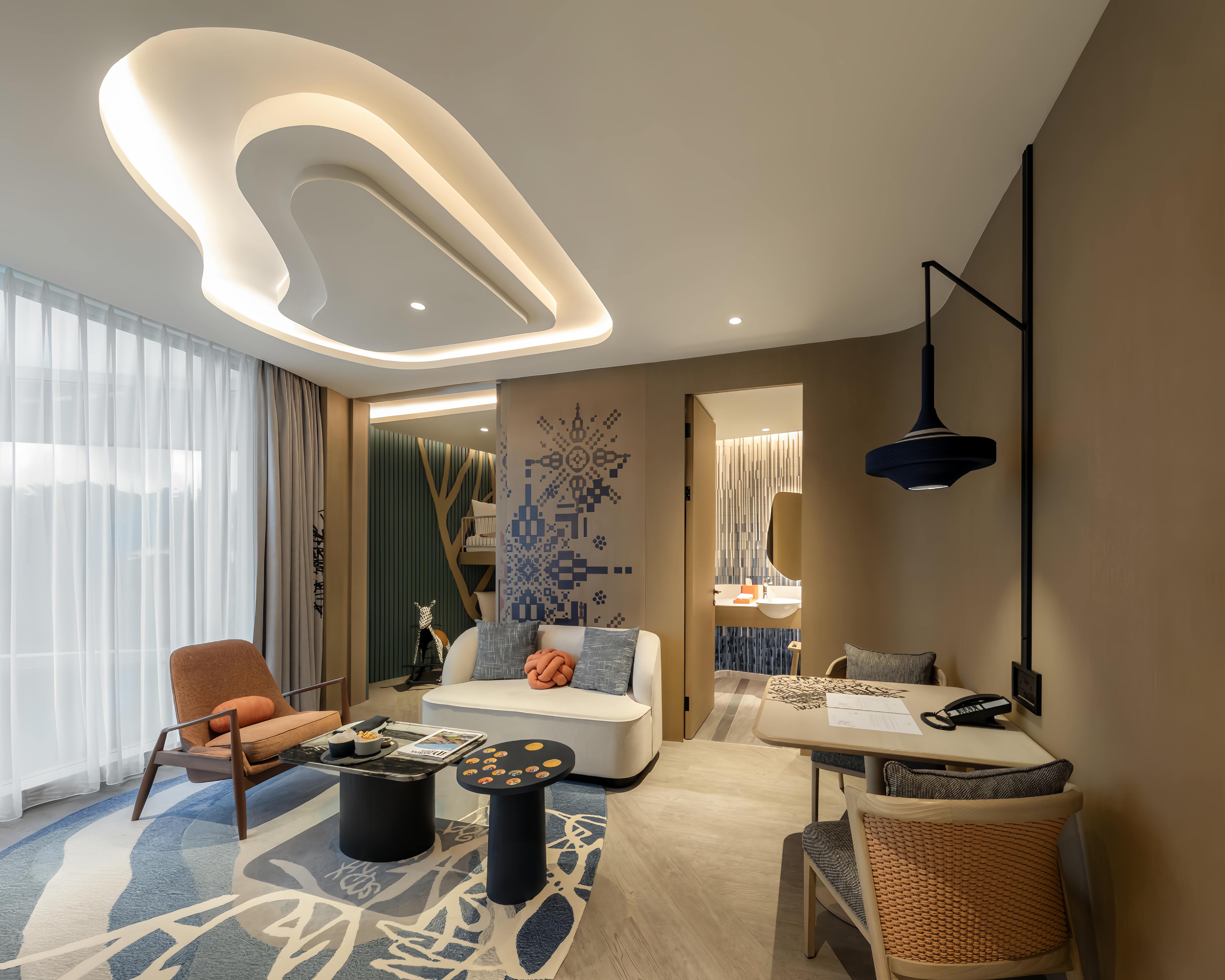
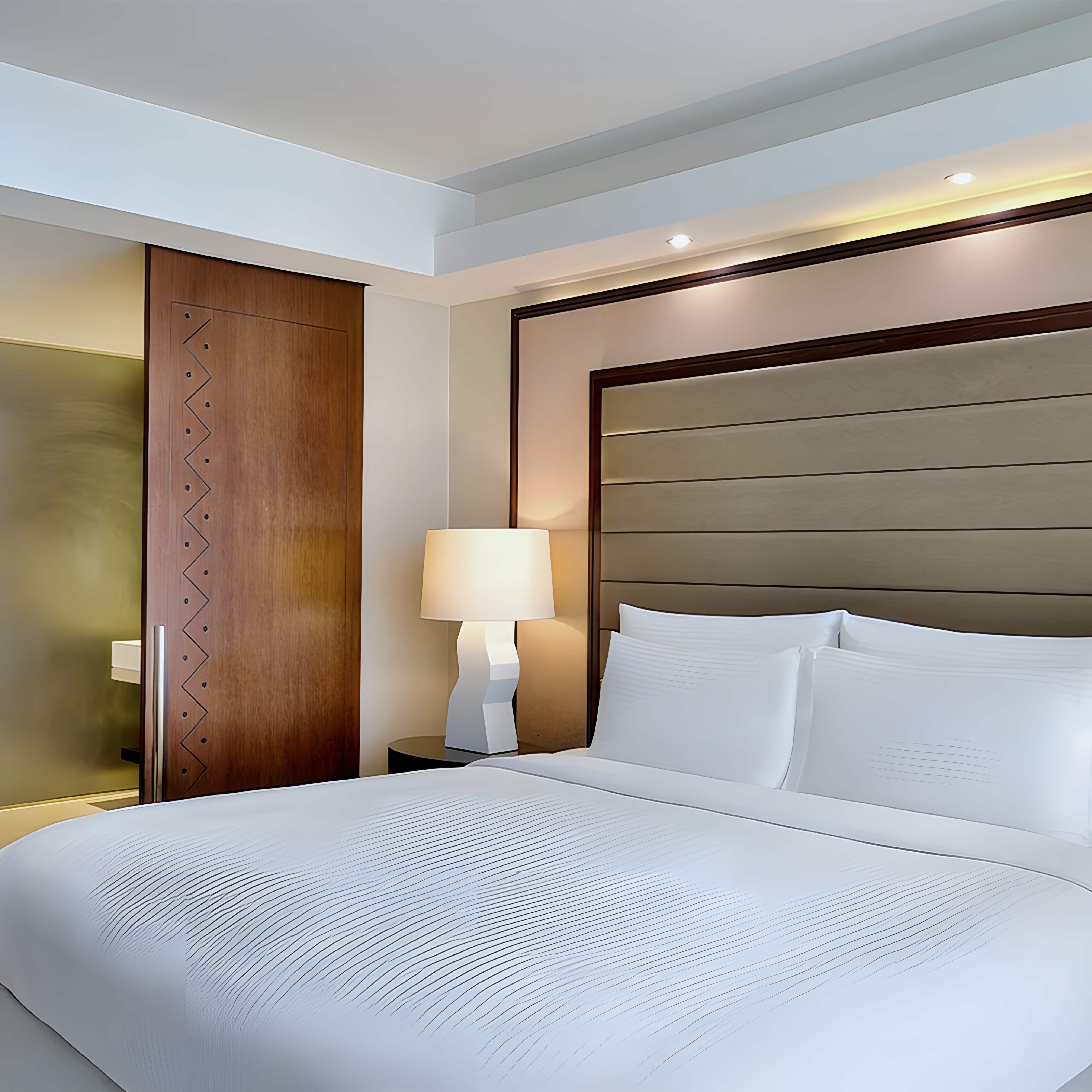
The JW Marriott Hotel Riyadh lighting case featured on the Inbright Lighting website focuses on guest lounge and hotel room interiors. The lighting composition combines recessed LED downlights, concealed linear lighting and decorative table lamps to create different layers of illumination.
This approach balances functional visibility with a calm, refined atmosphere suitable for relaxation, reading and informal conversation.
Hotel lighting must accommodate a wide range of activities, from entering a room and organizing luggage to reading, relaxing and preparing for sleep.
A single layer of uniform illumination cannot address every requirement effectively. Instead, a coordinated lighting scheme combines general lighting, accent lighting, indirect illumination and task lighting.
The main design considerations include:
For luxury hotels, the placement and distribution of light are just as important as the appearance of the luminaires themselves.
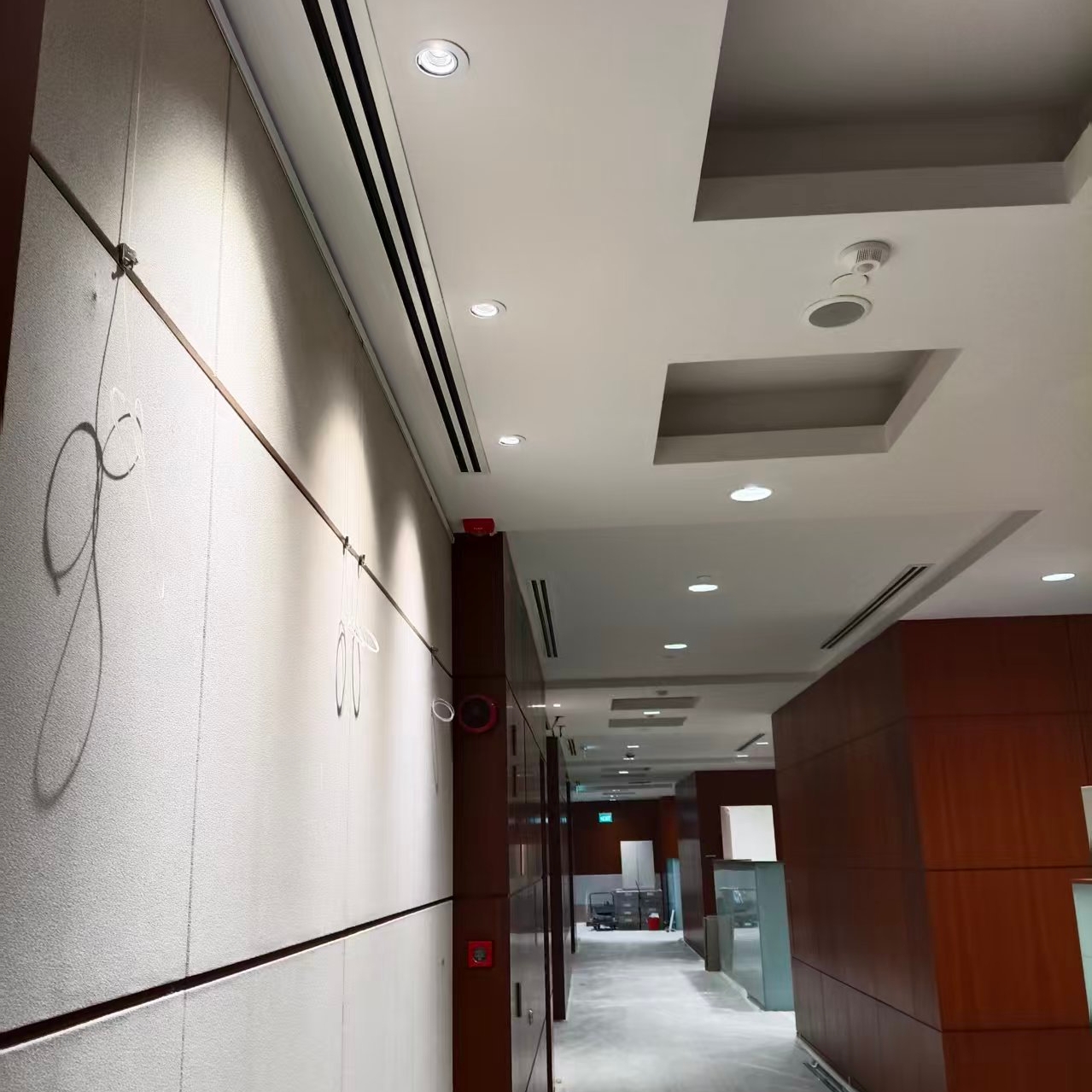
Recessed LED downlights provide the primary ambient lighting layer in the guest lounge and hotel room.
Installed within the ceiling, these luminaires maintain a clean architectural appearance while providing illumination for seating areas, tables and circulation routes.
Their discreet form allows the interior finishes and furniture to remain the main visual focus. A carefully coordinated layout also helps distribute light where it is needed without making the entire room excessively bright.
When specifying downlights for hotel interiors, project teams should consider:
The final arrangement should be confirmed through the lighting design and relevant technical documentation.
Concealed linear lighting introduces a softer layer of illumination along selected ceiling edges and architectural curves.
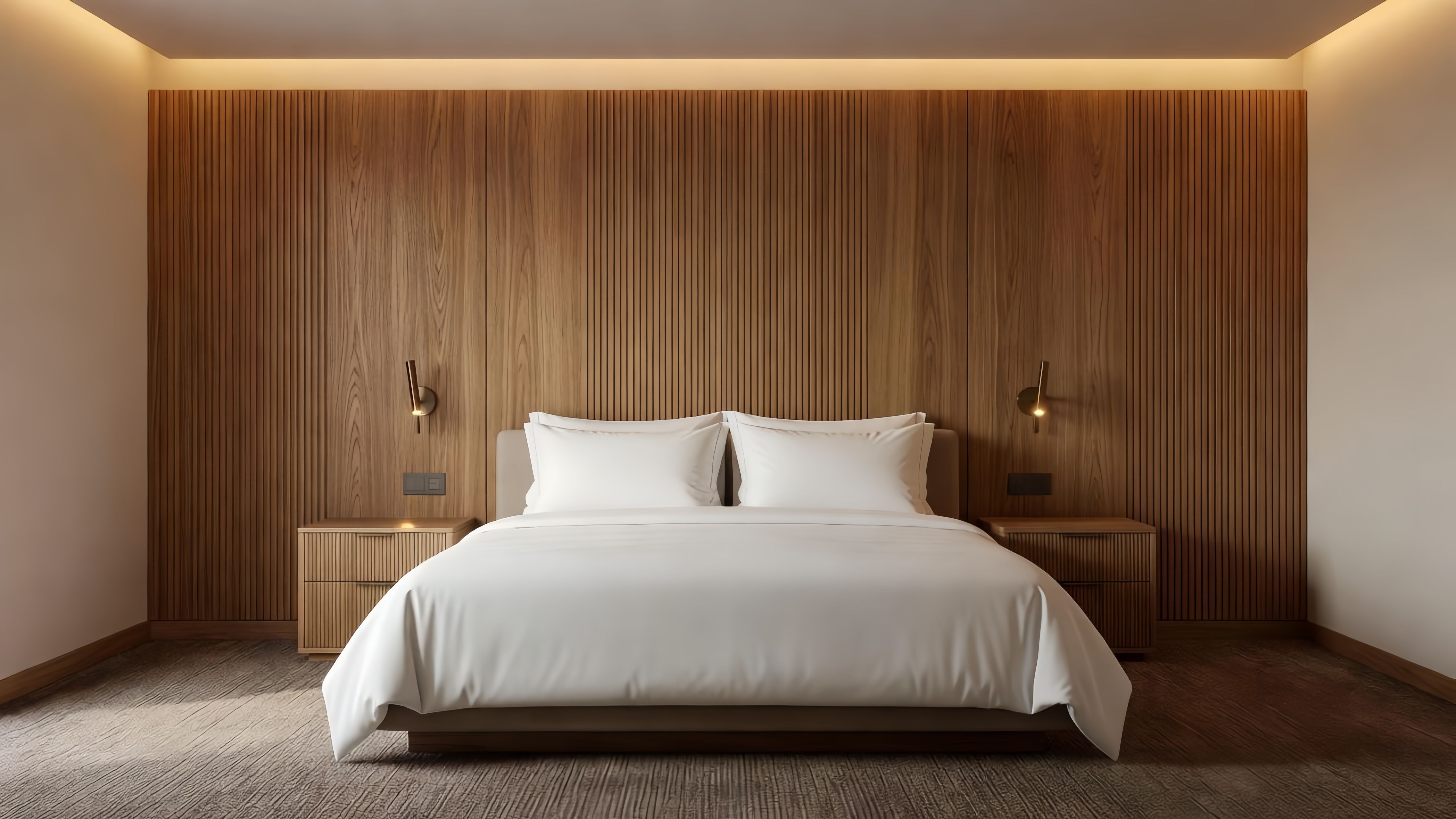
By hiding the LED source within a recess or integrated detail, the design emphasizes the illuminated surface rather than the fixture itself. This creates a continuous glow that can reveal the shape of a ceiling or feature wall.
In the guest lounge, indirect lighting contributes to the visual depth of the interior and complements the blue feature surface. In the guest room, concealed illumination around the headboard helps define the relationship between timber finishes, upholstered panels and the surrounding walls.
This technique is particularly useful in hospitality environments where the lighting should feel integrated into the architecture.
For successful installation, the recess dimensions, LED strip position, heat management, driver access and light distribution should be considered together. Appropriate diffusion can also help reduce visible LED dots and uneven brightness.
Accent lighting helps establish visual hierarchy within a hotel interior.
Selected downlights can draw attention to artwork, furniture and decorative surfaces without illuminating every element at the same intensity. This allows feature objects to stand out while maintaining a comfortable overall brightness.
The key is to balance the accent layer with ambient illumination. Excessive contrast can make a room feel visually fragmented, while uncontrolled reflections may distract guests.
Beam angle, aiming direction, mounting position and the reflectance of surrounding materials should therefore be considered during the lighting design stage.
Guest rooms need to support several activities within a relatively compact space. General illumination should provide sufficient visibility, while bedside and indirect lighting help create a more relaxing environment.
A layered approach can include:
Ambient lighting: Recessed downlights provide general illumination for entry, circulation and everyday activities.
Bedside lighting: Decorative table lamps or dedicated reading lights provide localized illumination for reading and personal use.
Indirect lighting: Concealed LED strips can emphasize the headboard, ceiling edges or selected architectural details.
Accent lighting: Carefully positioned light can reveal artwork, timber surfaces and other decorative elements.
Independent lighting controls can allow guests to select a suitable combination for reading, relaxation or nighttime movement. Where dimming is specified, the LED drivers and controls should be tested for compatibility.
The appearance of light is influenced by the materials it illuminates.
Timber, upholstery, pale walls, glass and decorative artwork each respond differently to direct and indirect illumination. A balanced lighting scheme helps reveal their textures and colours without producing excessive glare or distracting reflections.
In contemporary hotel rooms, concealed lighting can soften the transition between ceiling and wall surfaces, while recessed downlights provide practical illumination for circulation and daily activities.
The objective is to create a coherent visual environment in which the lighting complements the architecture rather than competing with it.
Energy performance is an important consideration in hotels, where lighting may operate across guest rooms, public areas and back-of-house spaces for extended periods.
LED technology, appropriate light output and well-planned controls can support efficient operation while maintaining the required lighting quality.
Potential strategies include:
Marriott's published sustainability documentation for JW Marriott Hotel Riyadh states that the hotel converted its lighting to LED technology. This hotel-wide operational information should be distinguished from the specific luminaires and interior applications described in the Inbright project case.
Inbright Lighting provides LED lighting products for hospitality, residential and commercial applications.
The product range can support projects requiring recessed LED downlights, adjustable spotlights, linear luminaires and concealed LED strip lighting, subject to the requirements of the specific application.
For hotel projects, product selection should consider the architectural design, room function, ceiling construction, desired light distribution and electrical specifications.
Lighting designers, architects, contractors and procurement teams can share project drawings, lighting schedules or technical requirements to evaluate suitable products and obtain relevant documentation.
The JW Marriott Hotel Riyadh lighting case demonstrates how recessed LED downlights, concealed linear lighting and decorative task lighting can work together to support a refined hospitality interior.
General illumination provides practical visibility, indirect lighting reveals architectural details, and localized lighting supports reading and relaxation. When coordinated carefully, these layers create a comfortable environment while preserving the character of the interior design.
Inbright Lighting offers LED lighting solutions for luxury hotels, resorts, serviced apartments and commercial interiors. Contact our team to discuss your hotel lighting requirements, product specifications and project documentation.
Project documentation note: The lighting applications described above are based on the existing Inbright Lighting case page. Any claim concerning specific product models, supply quantities, installation dates or Inbright's contractual role should be supported by verified project records.
Building 2, No.442, Wuyi Road, Jianghai District, Jiangmen City, Guangdong, China.
admin@inbright-lighting.com
0086 - 13424998756
Copyright © Jiangmen Inbright Lighting Co., Ltd All Rights Reserved. 粤ICP备2025393167号 Sitemap XML