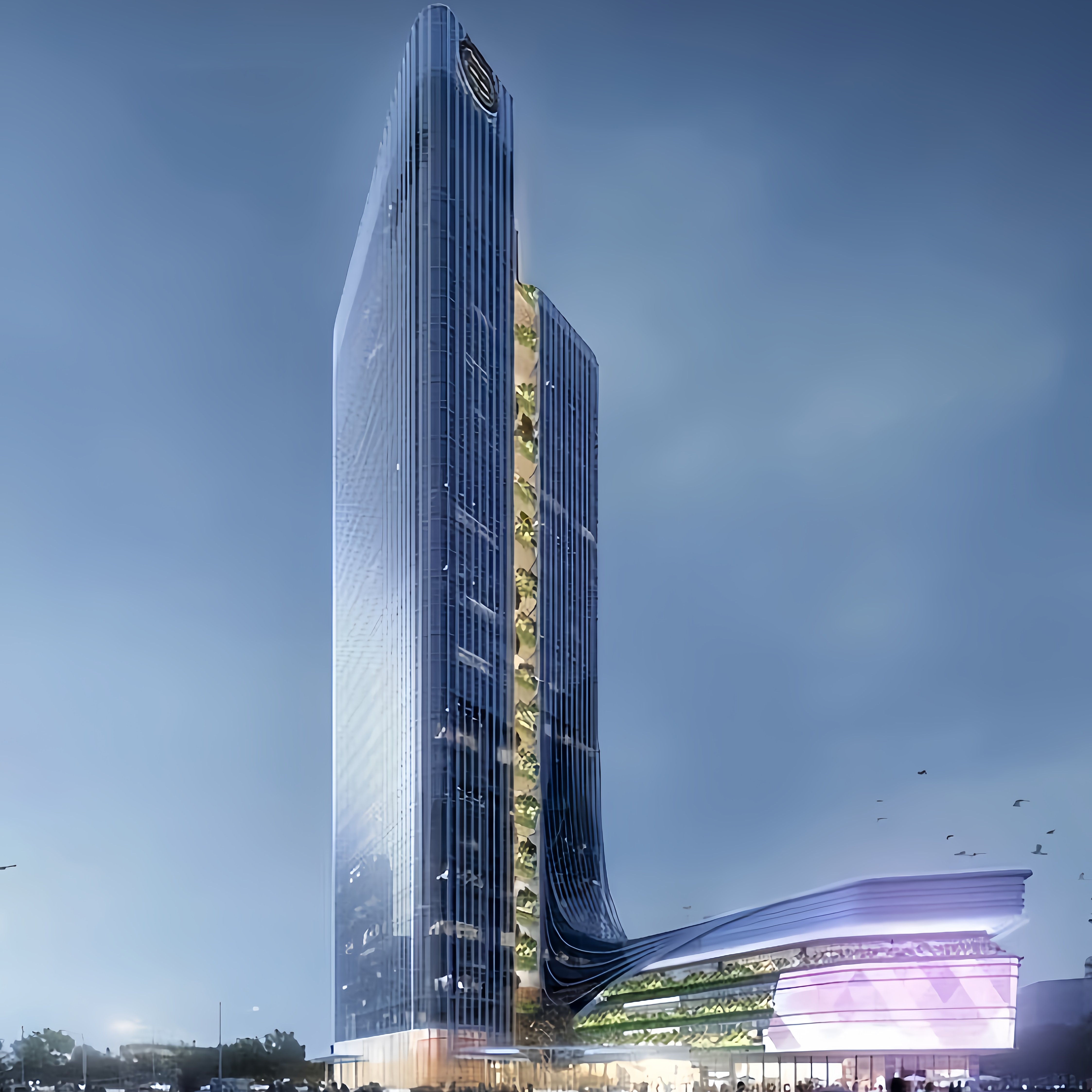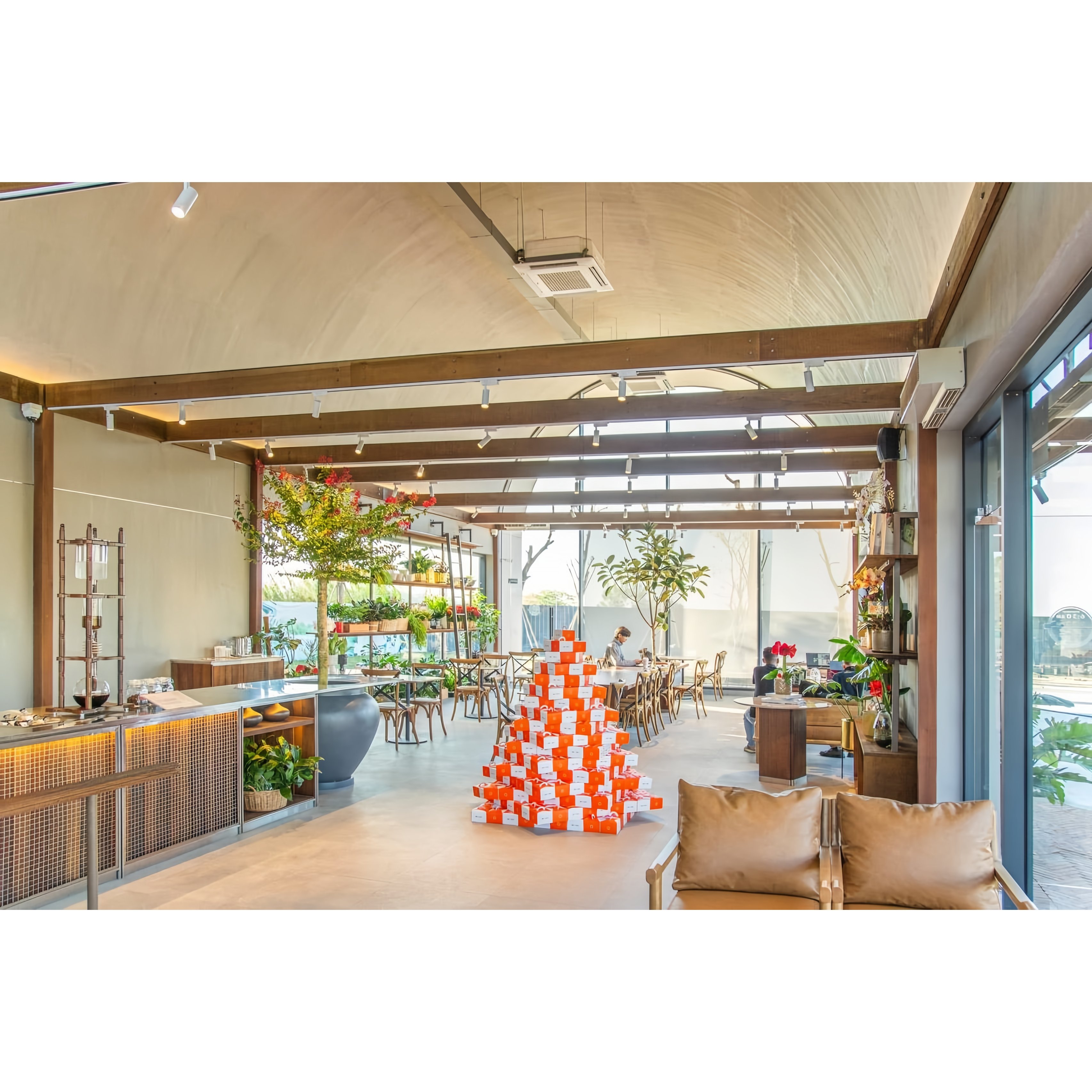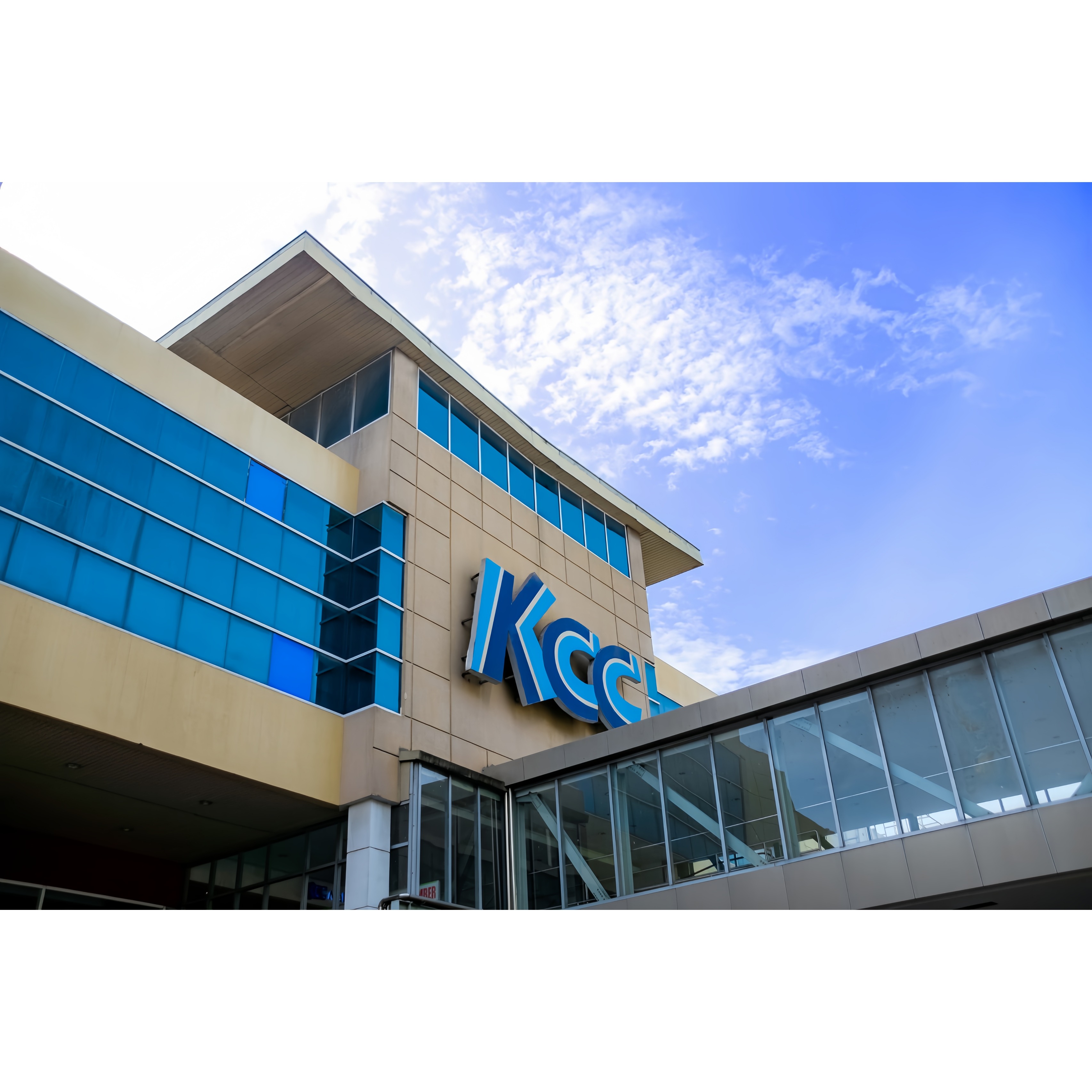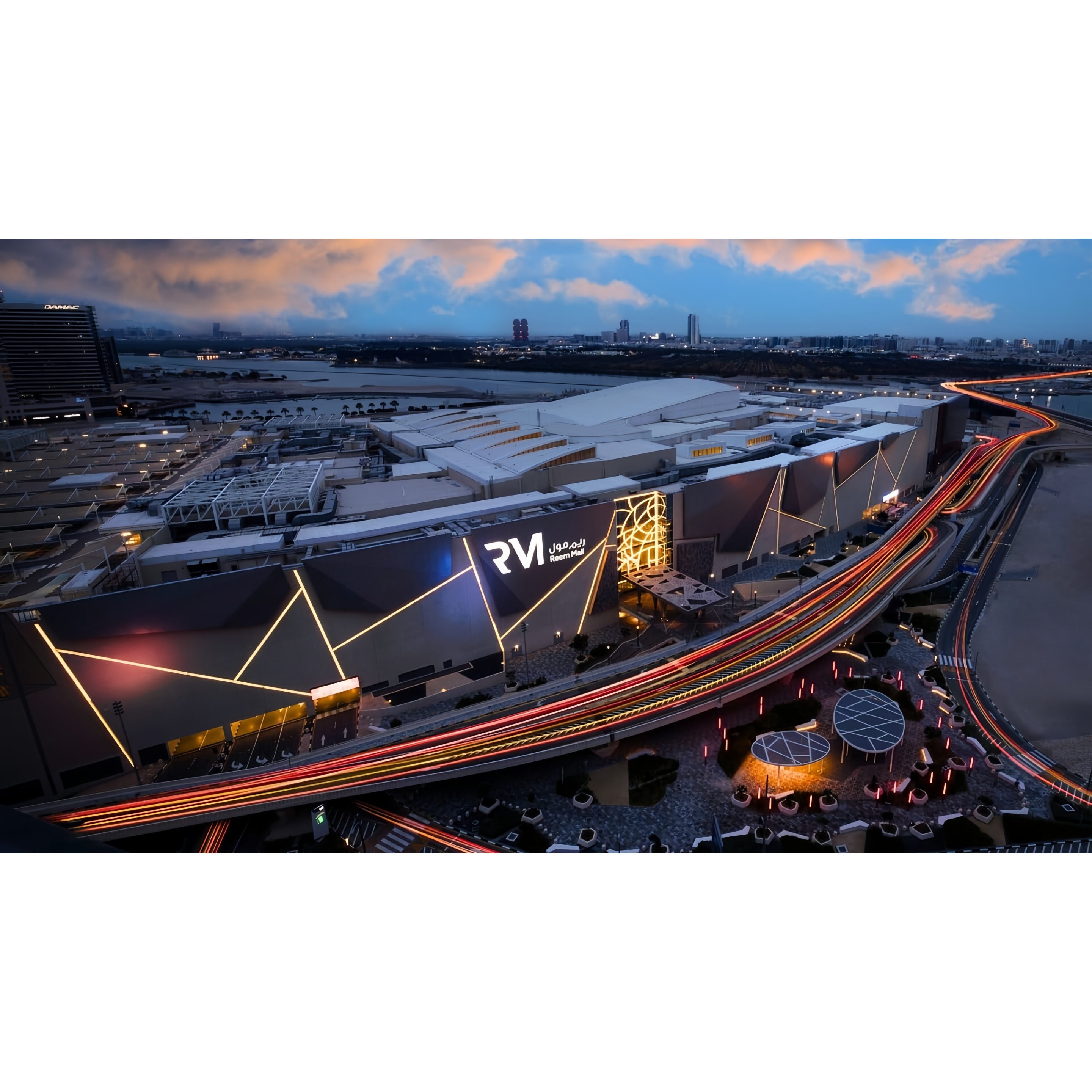
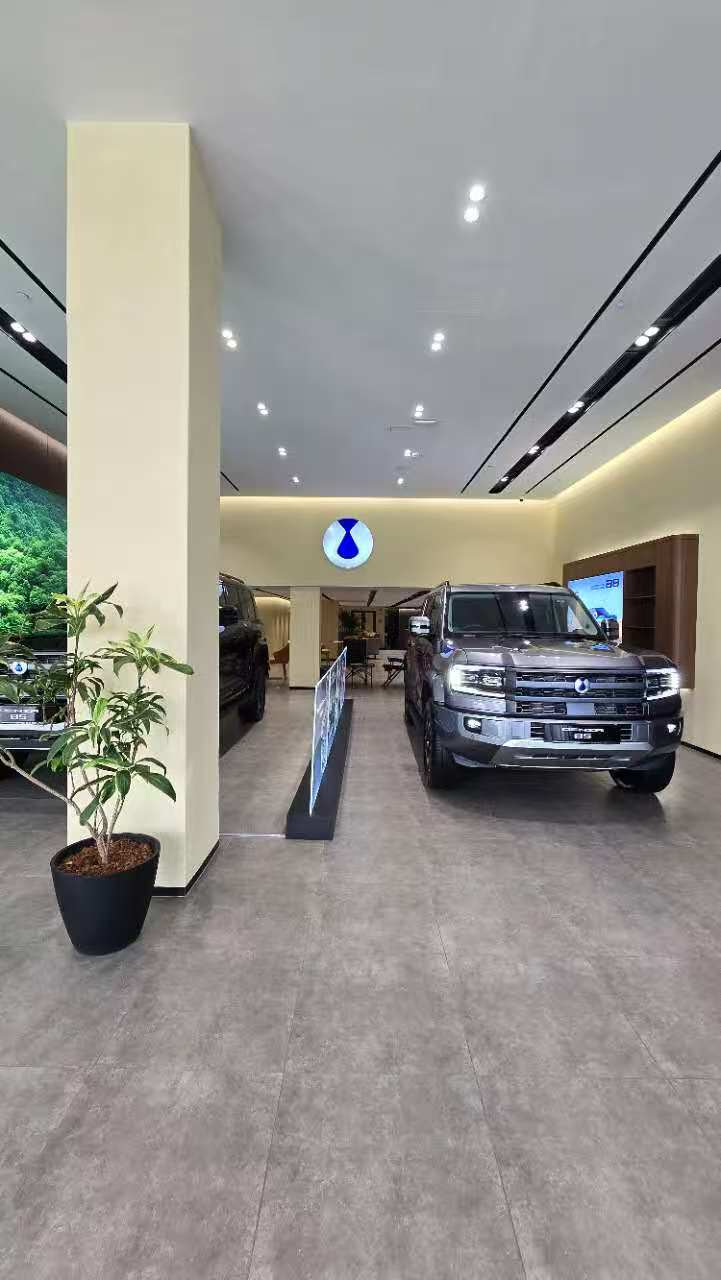
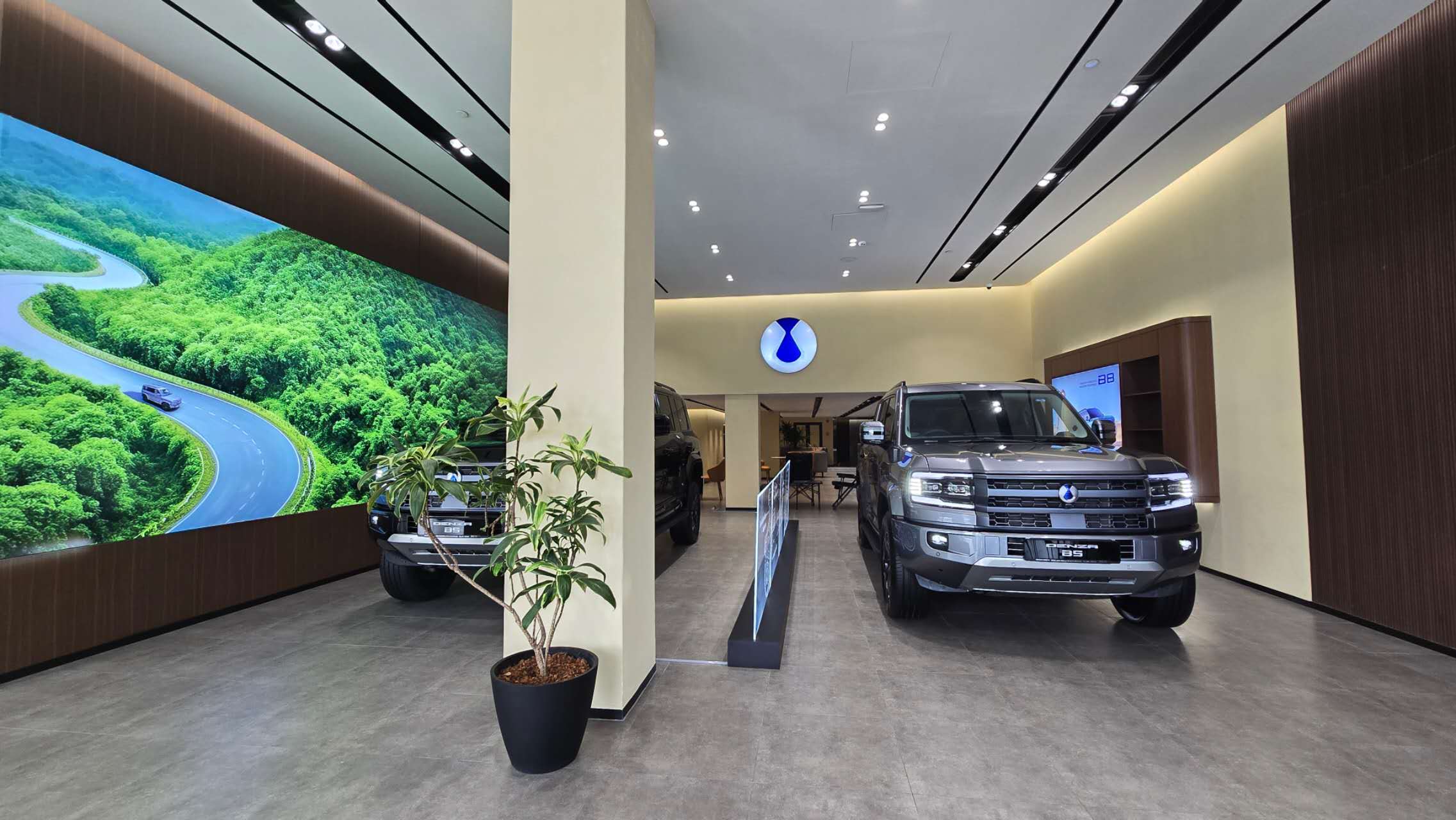
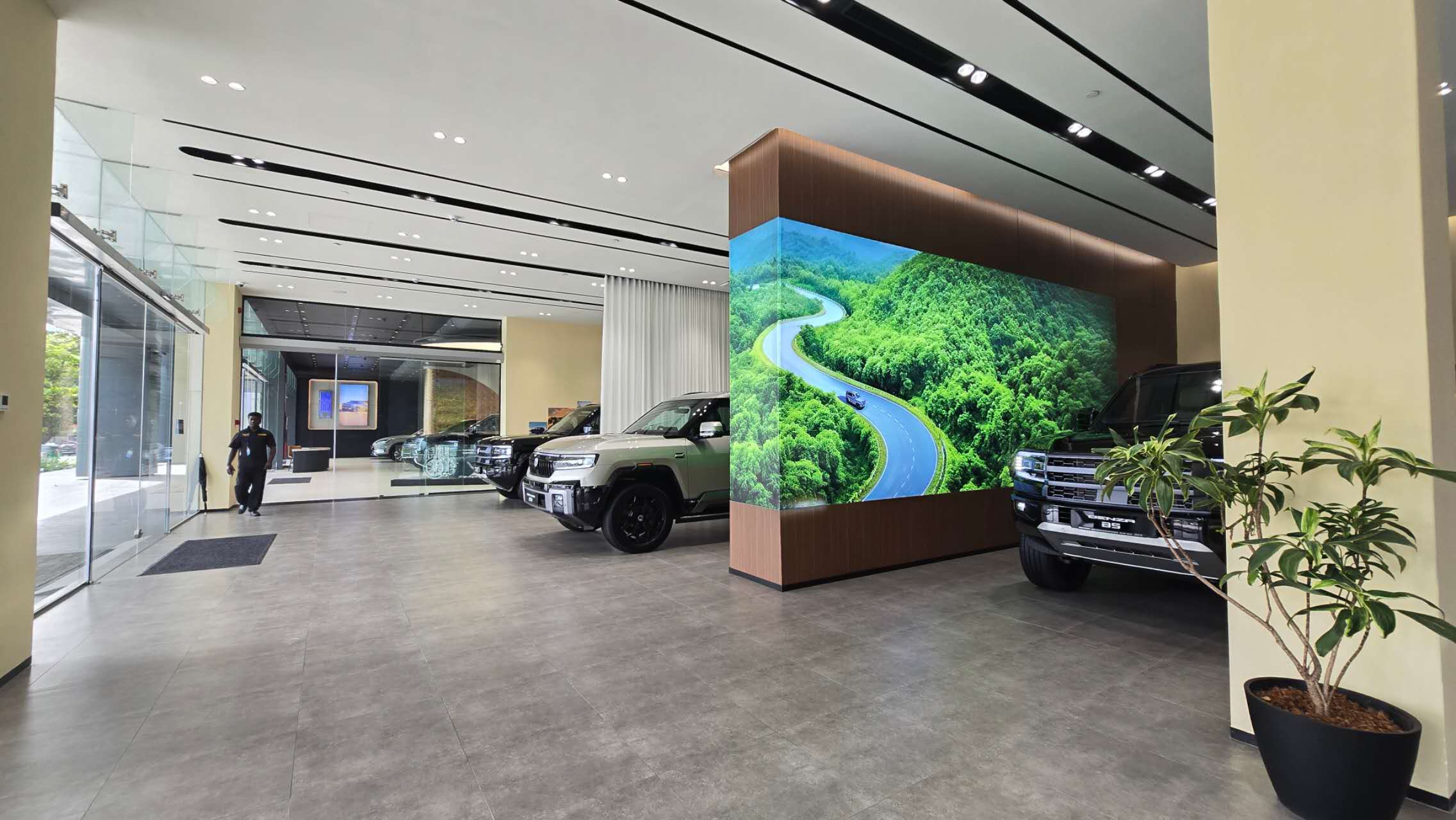
The DENZA Altair Showroom in Colombo, Sri Lanka, forms part of a premium automotive destination featuring new-energy vehicles from DENZA and BYD. Located in the Altair building, the showroom provides customers with an environment to explore advanced vehicle technology, contemporary design and premium mobility.
Lighting is an important part of the showroom experience. It helps present vehicle proportions, exterior finishes and distinctive design details while supporting the architectural character of the interior. A coordinated lighting scheme can also establish visual focus around featured vehicles, brand signage and technology displays.
This project case study explores key lighting considerations for a premium electric vehicle showroom, with an emphasis on general illumination, vehicle presentation, architectural integration and customer experience.
Project Name: DENZA Altair Showroom
Location: Colombo, Sri Lanka
Project Type: Premium Automotive Showroom
Application Areas: Vehicle display zones, brand wall, technical displays, entrance and customer areas
Lighting Focus: LED downlights, linear lighting, feature illumination and architectural lighting
Design Priorities: Premium presentation, visual comfort, vehicle detailing and brand visibility
A premium automotive showroom needs to do more than illuminate its floor area. Lighting should help visitors appreciate the vehicle's exterior design, interior details, materials and technology.
Vehicle bodywork includes curved surfaces, metallic paint, glass and polished trim, all of which interact with light in different ways. Poorly positioned luminaires can create distracting reflections, while insufficient directional lighting may make sculpted surfaces appear flat.
A considered showroom lighting plan should address several priorities:
The most effective approach combines ambient illumination with carefully positioned display and architectural lighting.
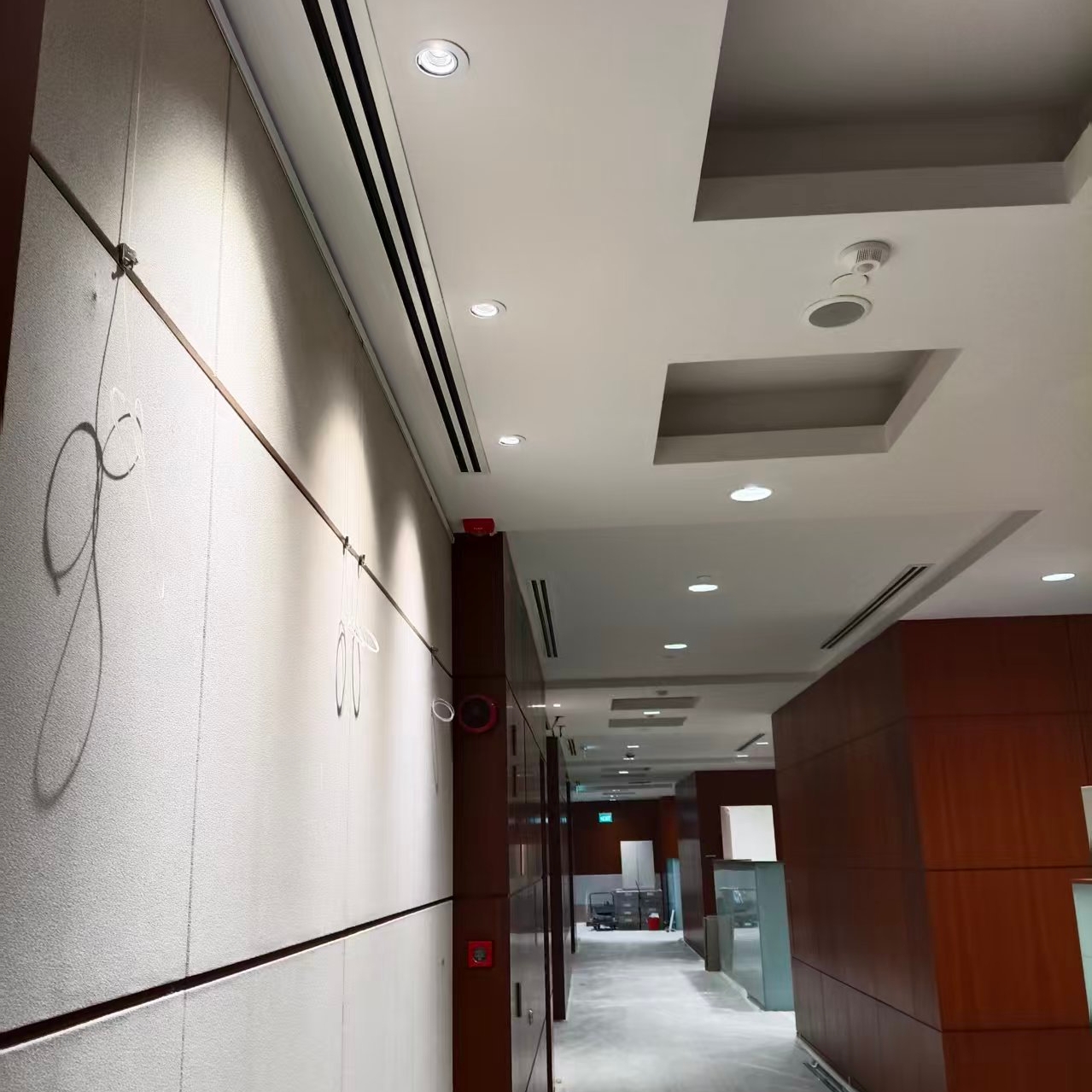
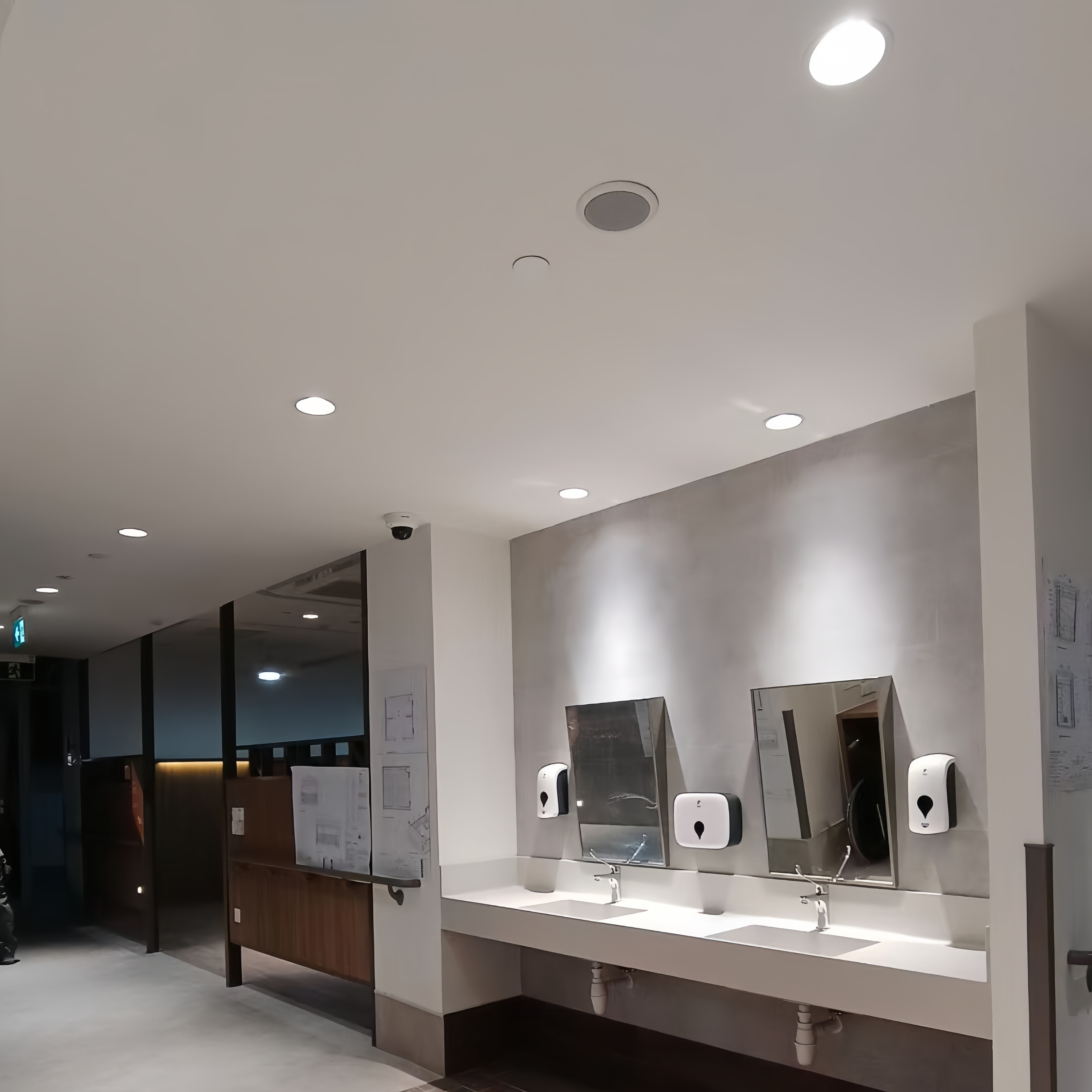
Recessed LED downlights can provide the ambient lighting foundation for the showroom.
Their compact form allows them to integrate with the ceiling while keeping attention on the vehicles and the surrounding brand environment. A well-distributed layout supports circulation and helps visitors view the display from different angles.
For premium automotive applications, downlights should be selected according to the ceiling height, beam angle, light output, glare control and required lighting levels. Their position should also be coordinated with the vehicle display layout to reduce unwanted bright spots on reflective surfaces.
Consistent colour appearance and suitable colour-rendering performance are important when customers need to compare vehicle paint colours and finishes under artificial lighting.
Linear LED luminaires can reinforce the showroom's architectural geometry and create visual continuity across the ceiling.
Depending on the design, suspended or recessed linear lighting may define circulation routes, frame display zones or complement other geometric ceiling features. Continuous luminous lines can also create a contemporary visual identity that suits a technology-focused automotive environment.
For vehicle displays, the placement and orientation of linear luminaires require careful consideration. Long luminous surfaces may create reflections across body panels and glazing. A lighting mock-up can help determine suitable mounting heights and positions before the final installation.
Linear lighting should therefore be coordinated with vehicle locations, customer viewing angles and the interior design rather than positioned solely for decorative effect.
Vehicles are the primary visual focus of a showroom. Display lighting should reveal their form while preserving a comfortable environment for visitors.
Directional spotlights or other suitable accent luminaires can supplement general illumination by highlighting selected vehicle areas, including front profiles, side panels, wheels and distinctive design features.
The lighting designer should evaluate the angle of incidence, beam spread and distance between the luminaires and the vehicle. Multiple lighting directions may help reveal body contours, but excessive contrast or poorly controlled reflections can distract from the design.
A balanced lighting arrangement supports both the overall appearance of the vehicle and the practical needs of customers moving around the display.
Brand signage and digital displays contribute to the identity of a premium automotive showroom.
The surrounding illumination should make logos, product information and technical exhibits easy to see without creating competing highlights. Bright screens and illuminated signage also need to be considered when determining the brightness and contrast of nearby lighting.
For display walls, the appropriate lighting approach depends on the surface material, signage construction and viewing distance. Carefully controlled illumination can help maintain a clear visual hierarchy between the brand, the vehicles and supporting information.
Premium vehicle retail environments may include consultation areas, waiting spaces or café facilities. These areas serve a different purpose from the main vehicle display floor.
Lighting should support conversation and reading while maintaining a visual connection with the showroom. Comfortable ambient illumination, suitable task lighting and independent switching or dimming zones can help accommodate different activities throughout the day.
Coordination between lighting, furniture and interior finishes is essential to ensure that customer areas feel welcoming without competing with the vehicle displays.
When specifying lighting for a premium EV showroom, project teams should assess the complete system rather than focusing on fixture appearance alone.
Glare control: Consider viewing directions, luminous surface brightness and reflections from vehicle bodywork and glass.
Colour rendering: Select suitable colour-rendering performance to present paintwork and interior materials accurately.
Colour consistency: Maintain a consistent colour appearance among luminaires across the same display zone.
Beam control: Use appropriate optics and aiming angles to highlight vehicle details without excessive brightness.
Architectural integration: Coordinate luminaire dimensions, suspension points, ceiling cut-outs and service access with the interior design.
Lighting controls: Consider separate control zones for vehicles, circulation, branding and customer consultation.
Maintenance: Confirm driver access, replacement procedures and the availability of suitable components.
Energy performance: Review luminaire efficacy, operating schedules and control strategies against the project's energy objectives.
Final lighting levels, product selection and installation details should be confirmed through project drawings, photometric calculations and on-site requirements.
Inbright provides LED lighting products and project support for commercial interiors, automotive showrooms and product display environments.
Depending on the application, suitable product categories may include recessed LED downlights, adjustable spotlights, track lights, linear LED luminaires, LED strips and customised feature lighting.
For lighting consultants, architects, contractors, distributors and automotive retailers, early coordination helps align fixture performance with the ceiling design, vehicle layout, installation conditions and maintenance requirements.
Inbright can support product selection and technical discussions for new showroom developments. Specific product models, quantities, photometric data and project supply details should be confirmed against the approved project documentation.
The DENZA Altair Showroom in Colombo represents the premium automotive retail environment in which lighting plays an important role in presenting vehicle design and technology.
A layered lighting strategy can combine general illumination, linear architectural lighting, focused vehicle display lighting and carefully coordinated brand illumination. Together, these elements can support a refined visual environment while maintaining practical visibility and customer comfort.
For similar premium automotive projects in Sri Lanka and international markets, a coordinated LED lighting specification can help balance visual presentation, architectural integration, operational efficiency and long-term maintenance.
Planning a premium automotive showroom lighting project? Contact Inbright to discuss LED downlights, linear luminaires, vehicle display lighting and customised commercial lighting solutions.
Building 2, No.442, Wuyi Road, Jianghai District, Jiangmen City, Guangdong, China.
admin@inbright-lighting.com
0086 - 13424998756
Copyright © Jiangmen Inbright Lighting Co., Ltd All Rights Reserved. 粤ICP备2025393167号 Sitemap XML